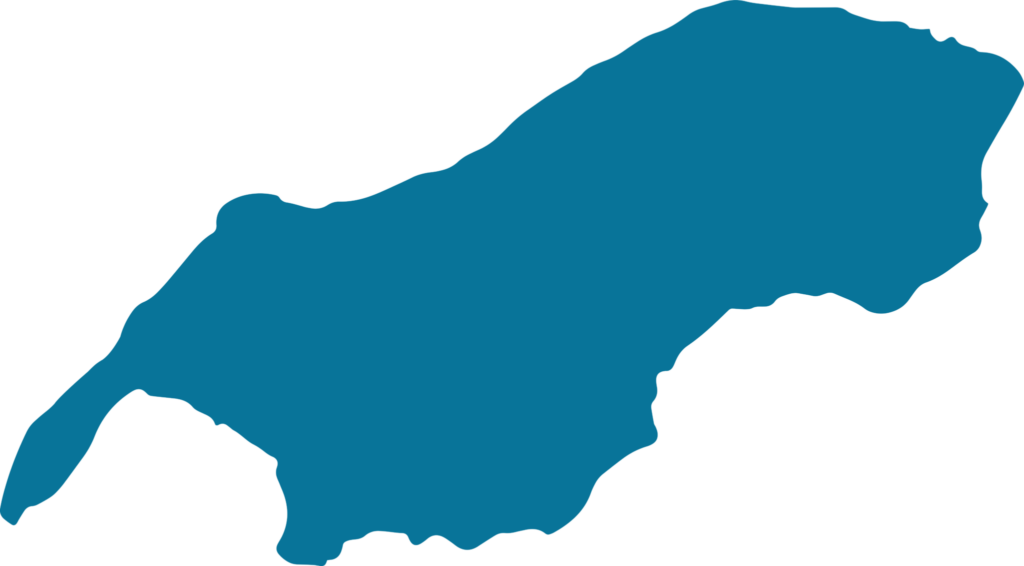
MUNICIPALITY OF ROTA
History of Rota
Rota is the southernmost of the main islands of the Northern Mariana Islands, a U.S. commonwealth in the western Pacific Ocean. It is about 30 miles (50 km) northeast of Guam. The Chamorro people, who are the indigenous people of the Mariana Islands, have lived on Rota for centuries.
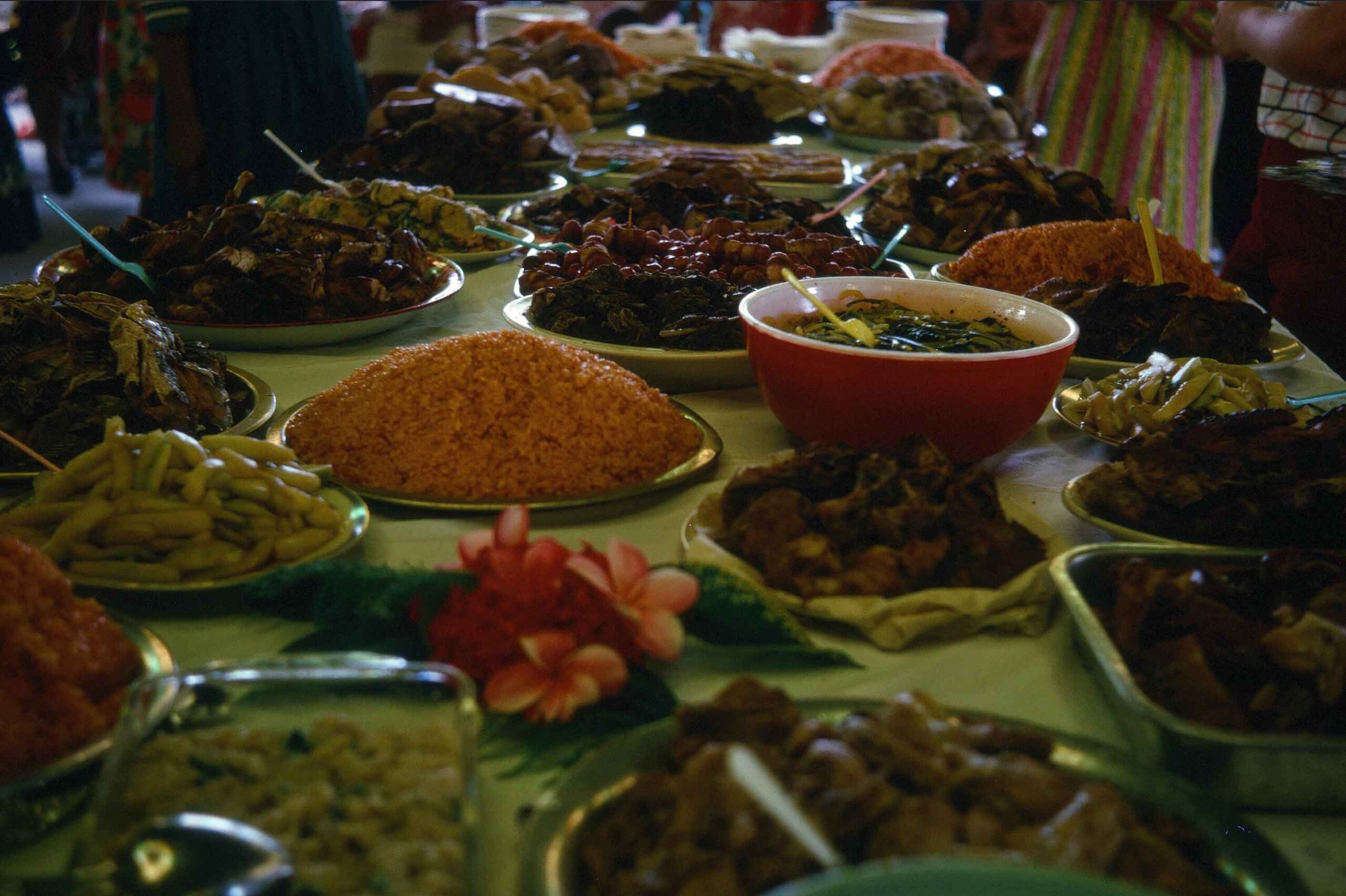
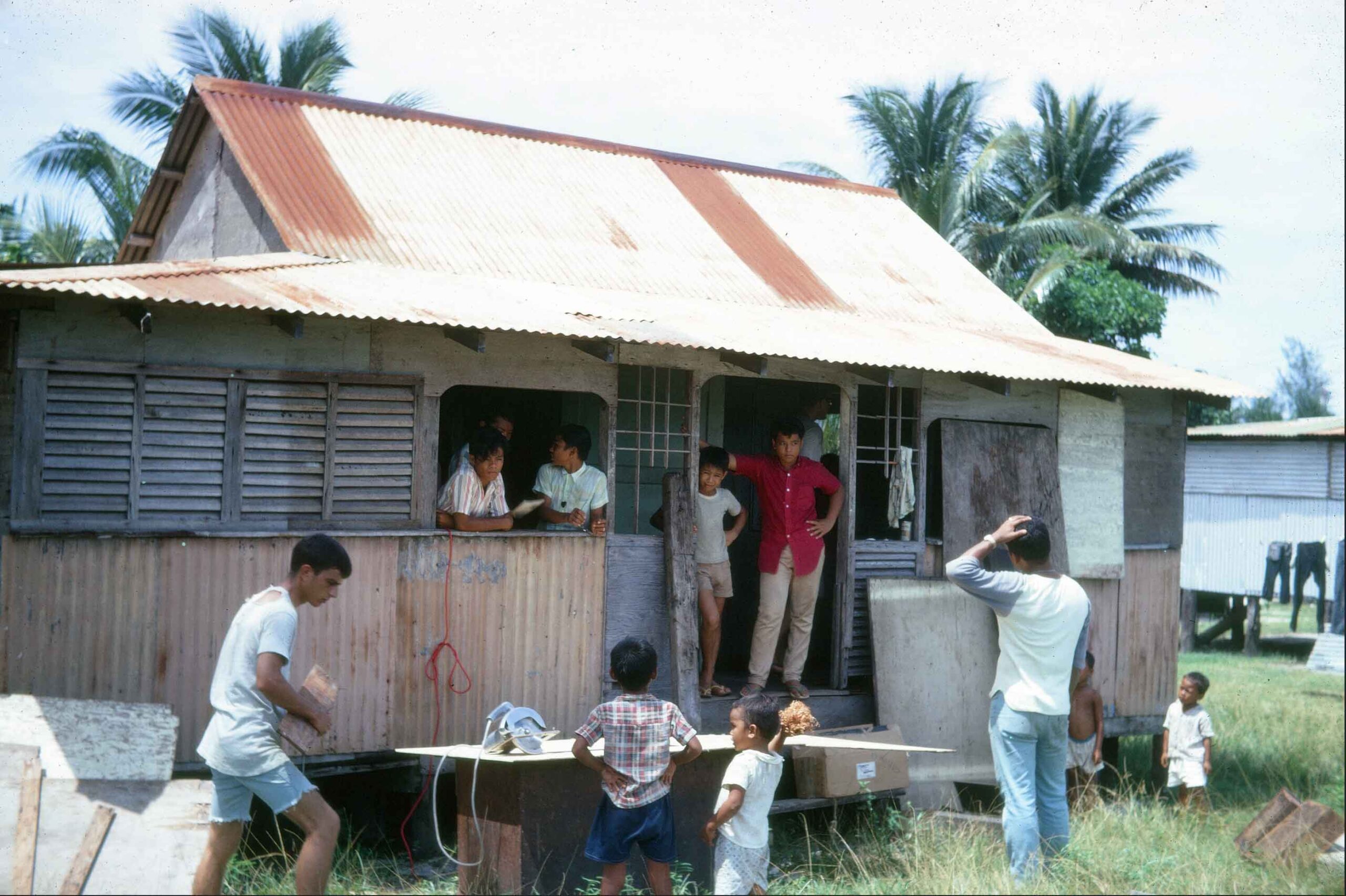
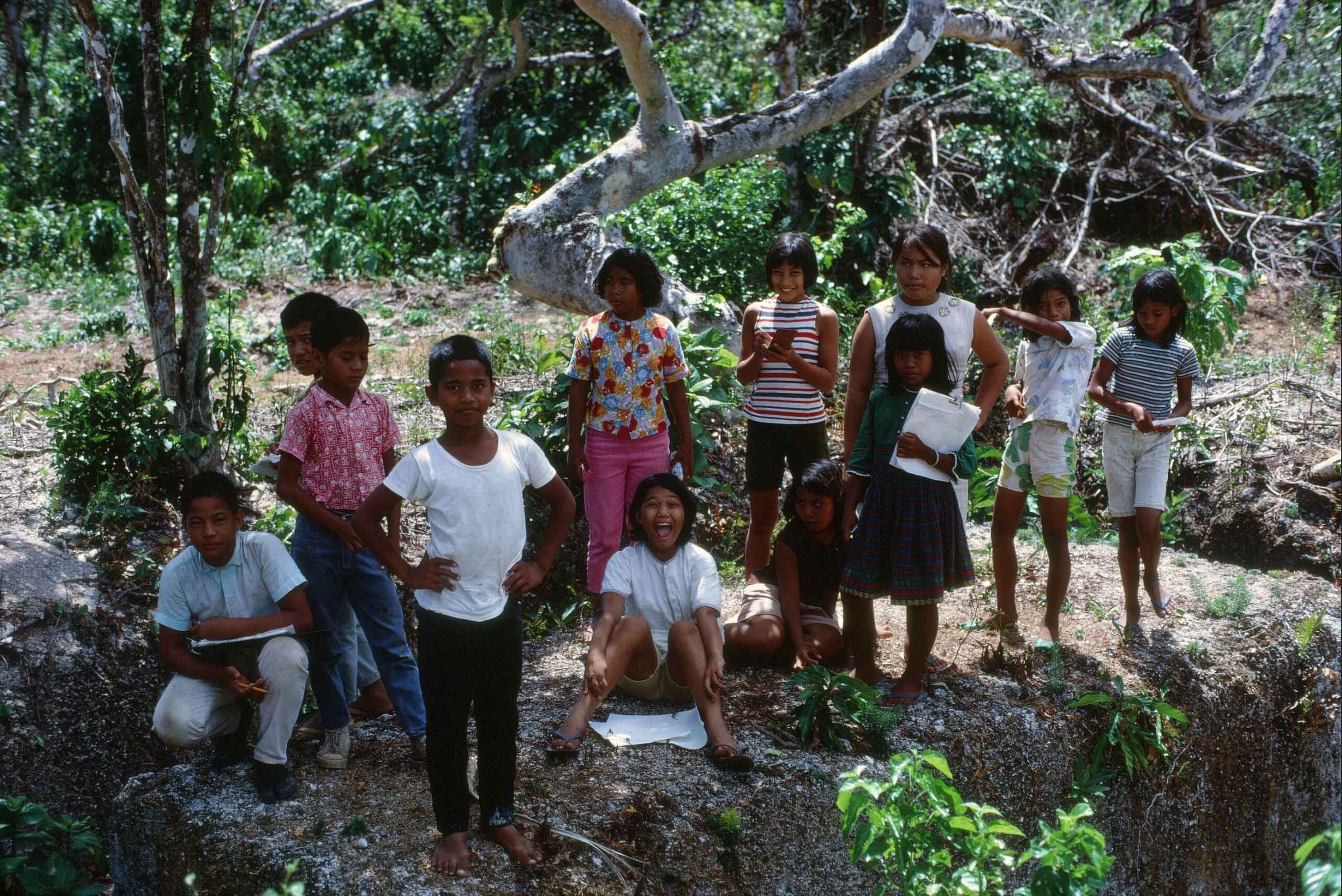
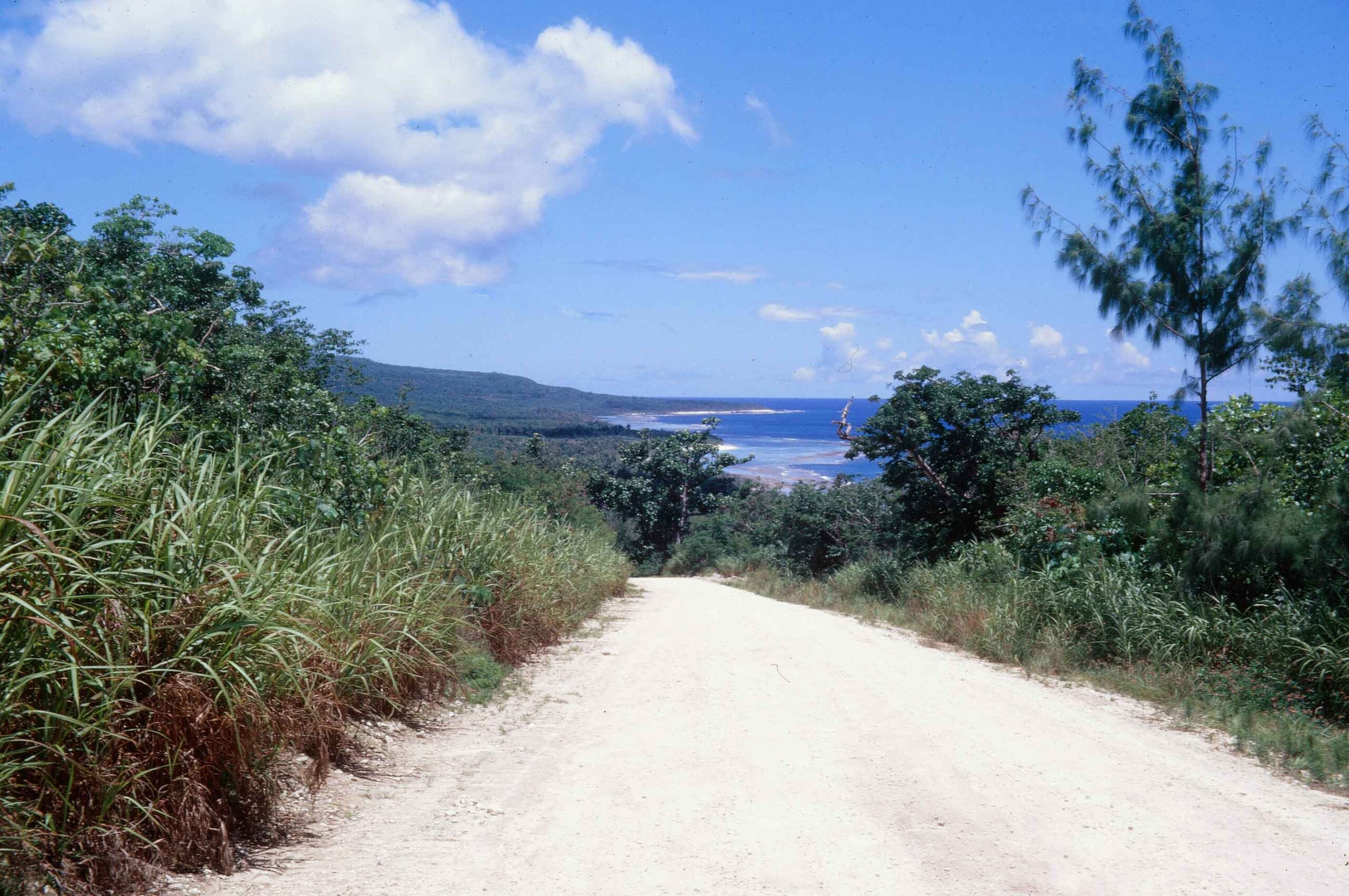
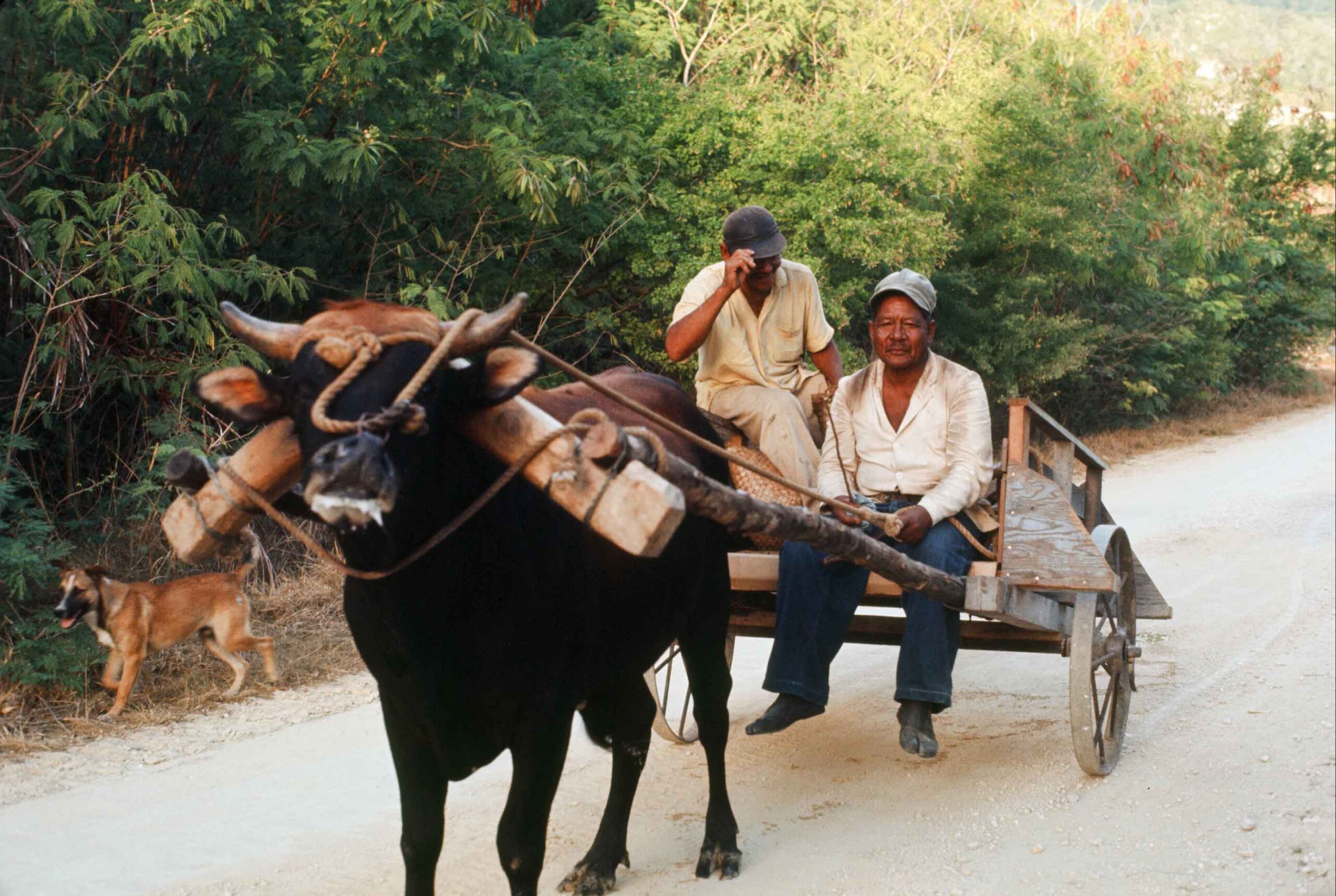
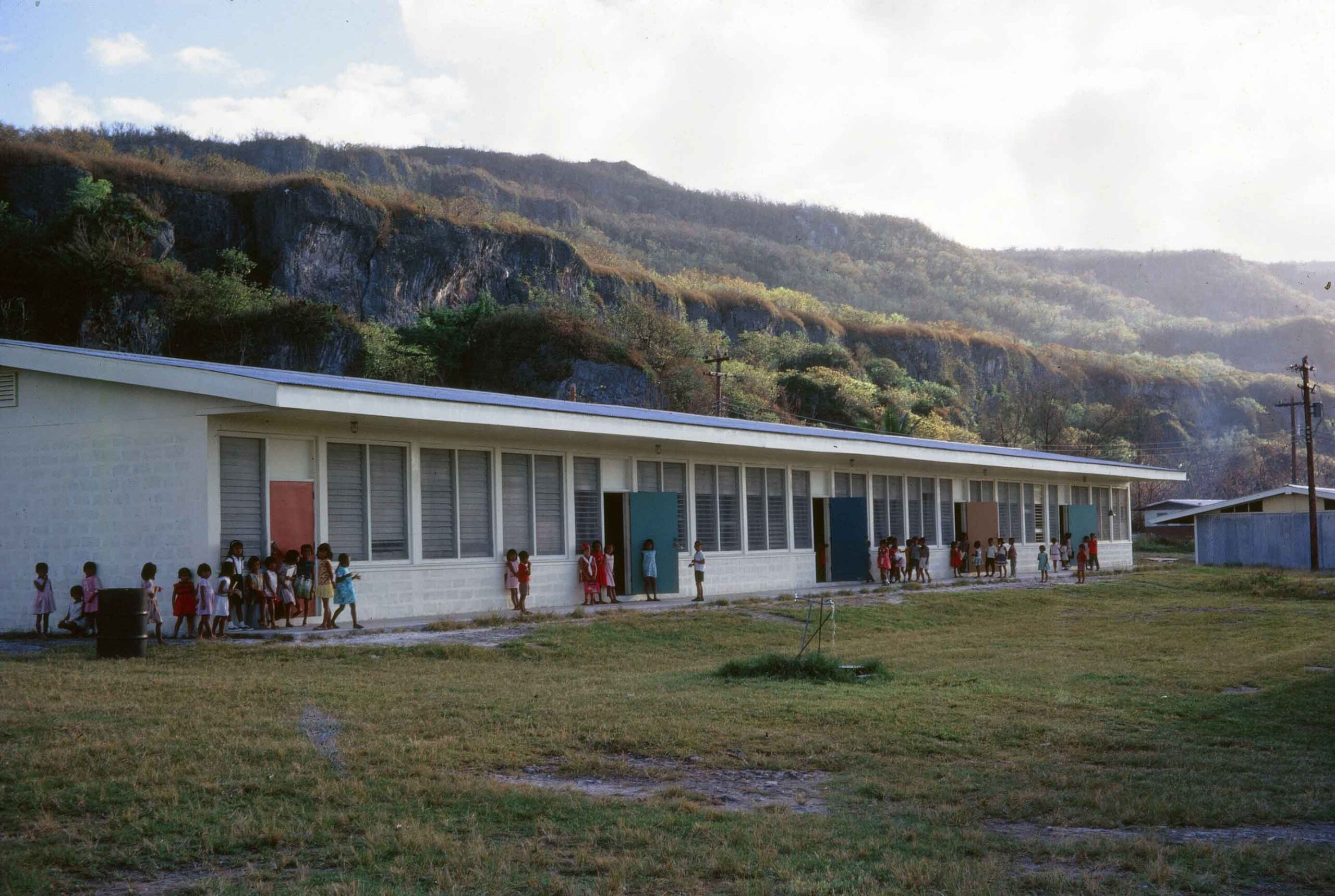
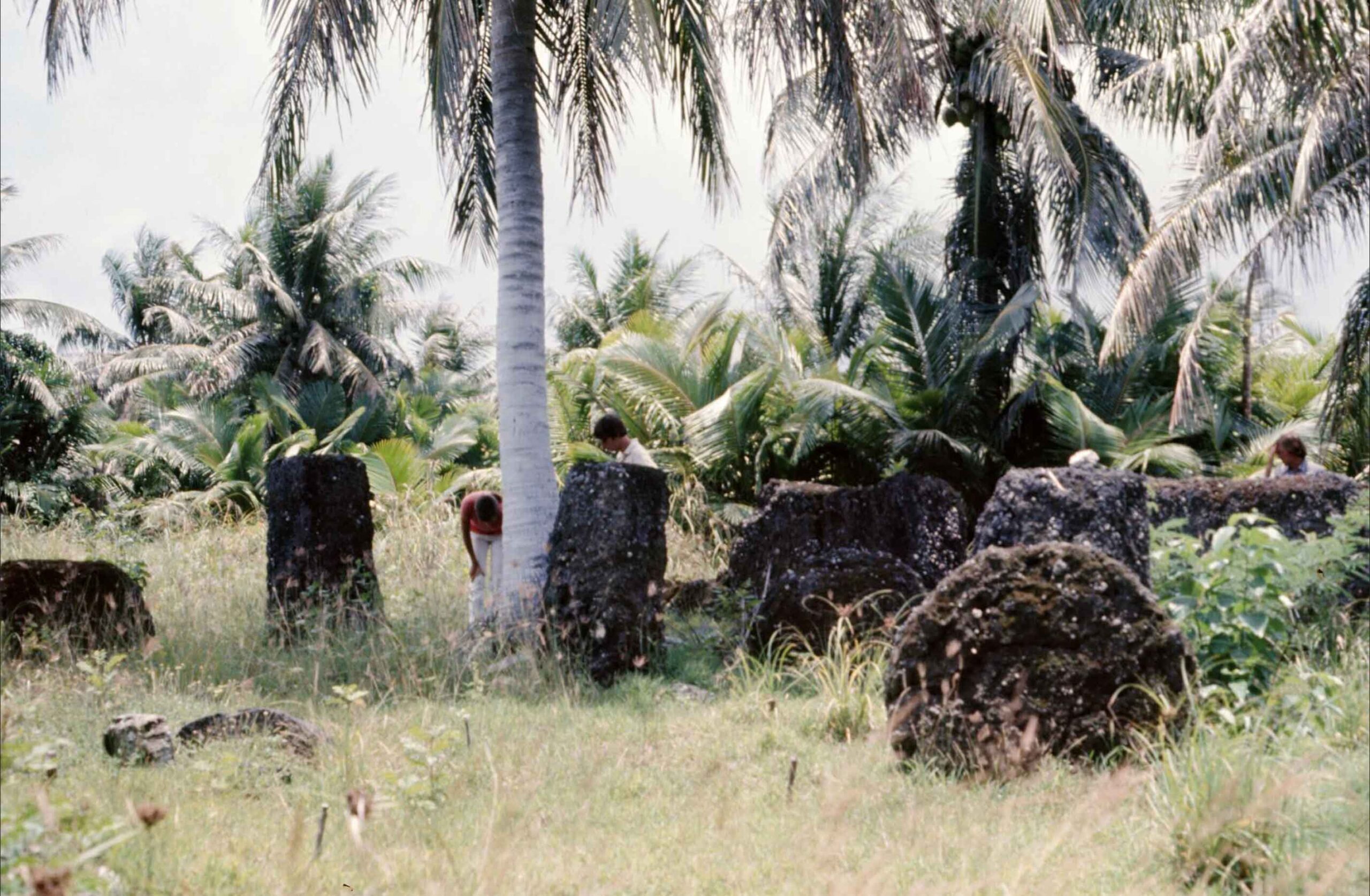
Photo Credit: Kit Porter
In 1521, the Spanish explorer Ferdinand Magellan became the first European to visit Rota. The Spanish claimed the island for Spain in 1668 and ruled it for over 200 years. During Spanish rule, Rota was a quiet backwater of the Spanish Empire. The island’s economy was based on subsistence agriculture and fishing. In 1899, Spain sold the Mariana Islands to Germany under the German–Spanish Treaty of 1899. The Germans made few changes to Rota during their brief rule of the island.
In 1914, Japan occupied Rota during World War I. The Japanese ruled the island for the next 30 years. They built a sugar refinery on Rota and developed the island’s tourism industry. Rota became a popular destination for Japanese tourists during the 1930s. In 1941, Japan attacked the United States at Pearl Harbor. Rota was not directly attacked, but it was occupied by the Japanese military during World War II.
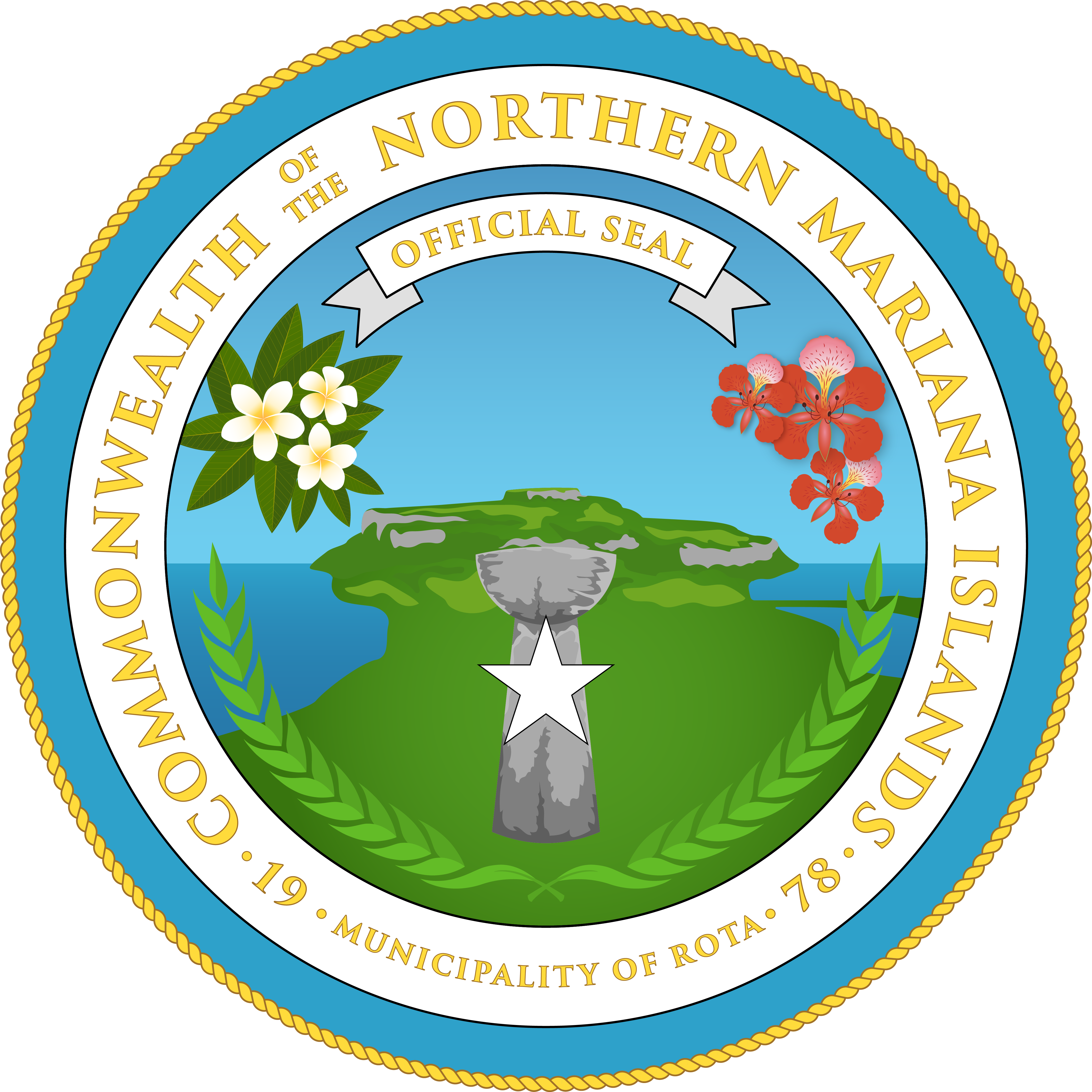
After the war, Rota became part of the United Nations Trust Territory of the Pacific Islands. The island was administered by the United States until 1978, when it became a commonwealth of the United States.
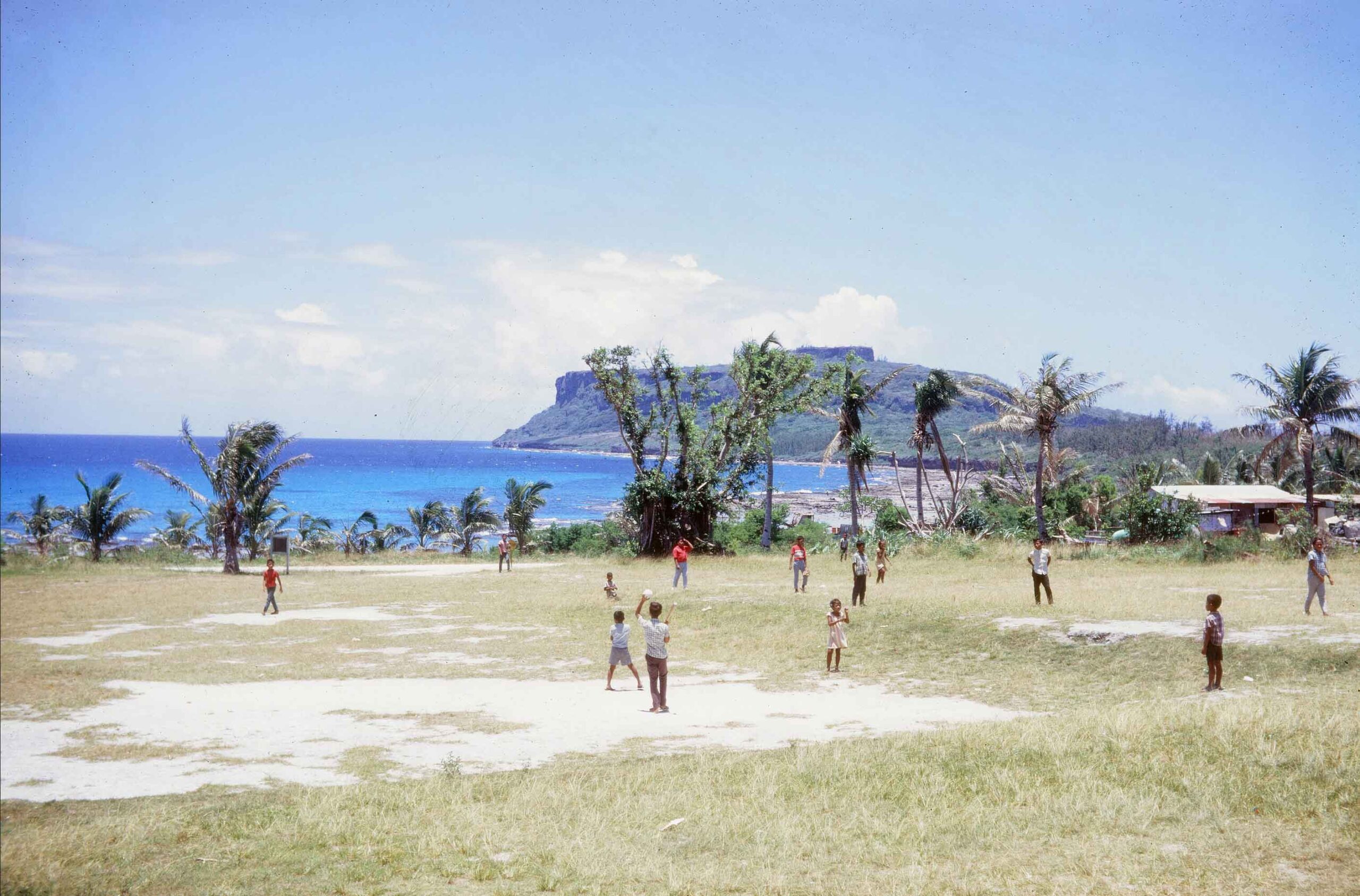
Today, Rota is a popular tourist destination. The island is known for its beautiful beaches, clear waters, and lush green mountains. Rota is also home to several historical sites, including the Japanese fortifications from World War II.
The official language of Rota is English, but Chamorro is also widely spoken. The Chamorro people are the indigenous people of the Mariana Islands, and they have a rich culture and history. Rota is a beautiful and fascinating island with a lot to offer visitors.